In the sensual world of antiquity, women’s desire was largely overlooked. Pleasure wasn’t thought to reside in the climax itself — it was believed to emerge simply from being entwined with a man.
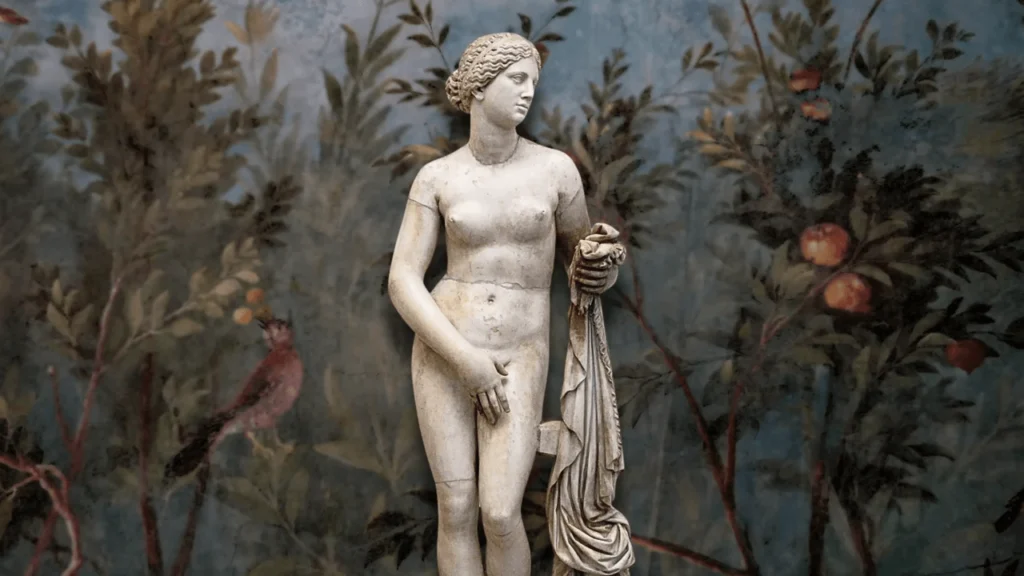
For centuries, male-dominated theories about female sexuality confined women to rigid roles, reducing their erotic lives to instruments for male satisfaction. Budai Lotti explores this erotic blind spot in Rice-Powdered Days 3: The History of Female Sexuality, revealing a world where women’s bodily pleasure was considered trivial — or worse, irrelevant.
Sex Without Orgasm
In ancient societies, women’s enjoyment was secondary, often imagined as little more than a fleeting warmth or tickle. The real delight, it was believed, came from closeness to a man, not the surges of sensation that modern women might crave.
Intimacy, Not Climax
Ancient Greek thought cemented one of the longest-standing myths: women do not seek orgasm — they crave connection. Sex was understood as a ritual of intimacy, a symbolic exchange of closeness, rather than a pursuit of raw, bodily satisfaction. Sure, modern research confirms women often feel most fulfilled in committed relationships — but in antiquity, their physiological pleasures were largely ignored.
The Act Is the Reward
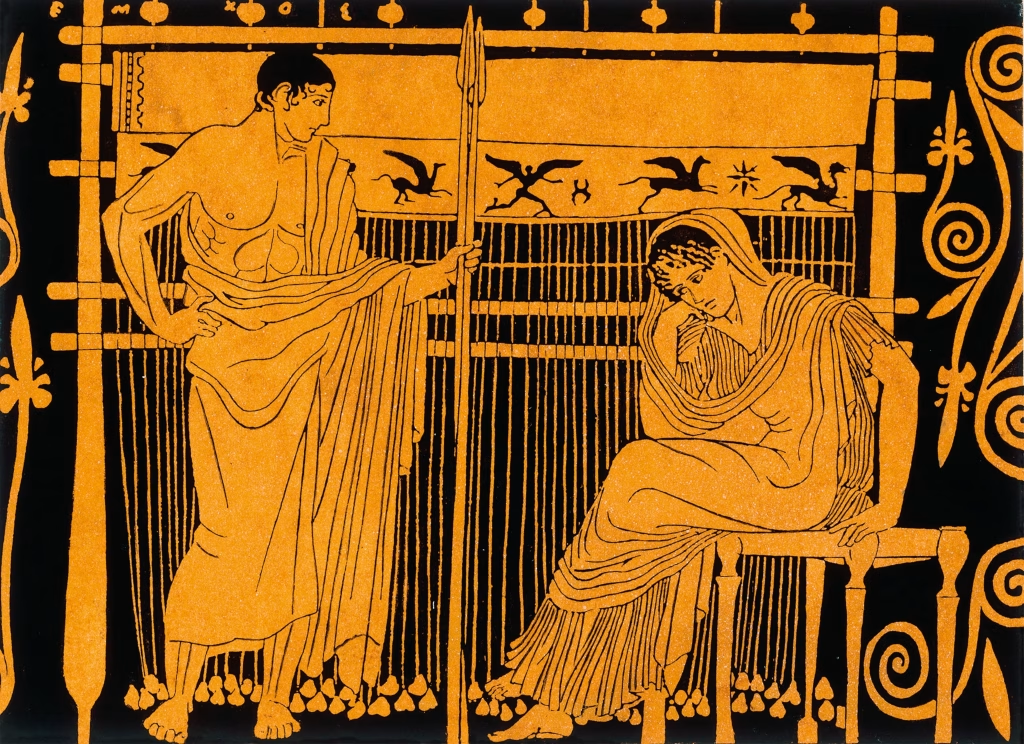
Hippocrates and his contemporaries didn’t deny that women could feel arousal. They just framed it differently: the act itself, the very presence of a man inside her, was the apex of pleasure. As Hippocrates wrote:
“During intercourse, the friction within the woman’s womb and the movement of her uterus creates a tingling warmth that flows through her body. Desire begins with the penetration and lasts until the man ejaculates… if the woman is eager, she may reach release before him; if not, her desire dies with his.”
Female ejaculation, they theorized, wasn’t an orgasm — it was simply a biological echo of male function, a way to aid conception rather than satisfy lust. Lubrication and arousal were noted, but only as tools for fertility.
Soranus of Ephesus: The Rare Advocate
A few enlightened voices, like Soranus of Ephesus, saw women differently. This Roman-era Greek physician understood the female cycle and argued that arousal was necessary for conception. He encouraged men to tend to their partner’s pleasure — a revolutionary acknowledgment of erotic need in a world that otherwise denied it.
Desire on the Sidelines
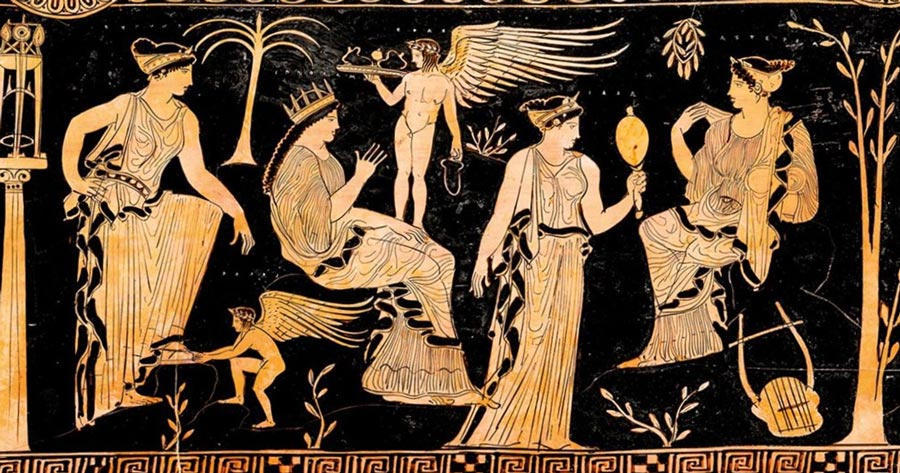
Even in the most sexually permissive corners of ancient Greece — where men could take lovers from slaves to courtesans — women’s satisfaction remained largely invisible. Amid so many options for men, few paused to consider a woman’s climax. Pleasure, in this world, wasn’t about her — it was about being claimed, shared, and present in the act.
In short, the orgasm was a privilege rarely granted to women. Yet, hidden in whispers, medical texts, and the rare sympathetic writer, we glimpse the truth: female desire existed — it just wasn’t acknowledged, celebrated, or fully understood.